What is an anal fissure?
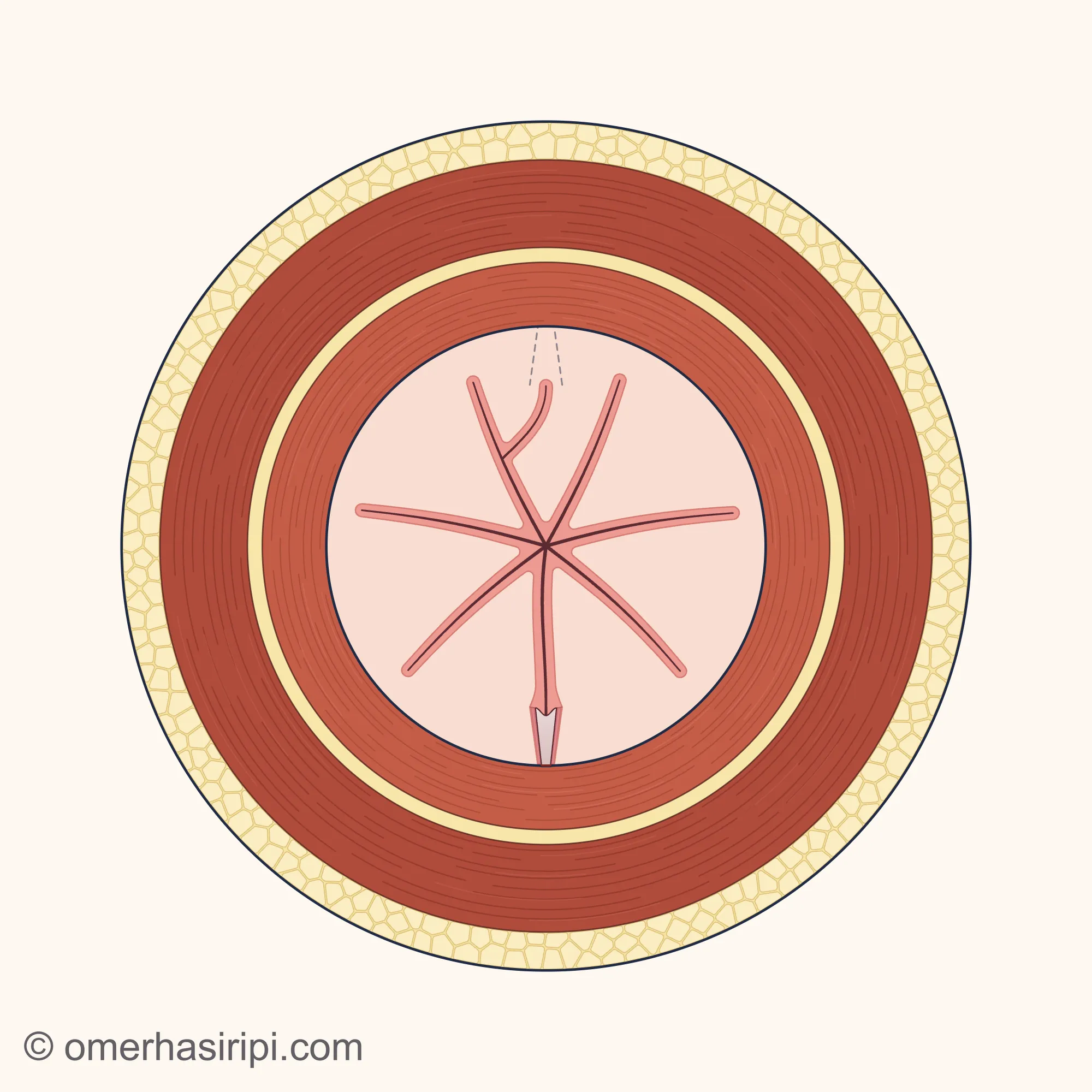
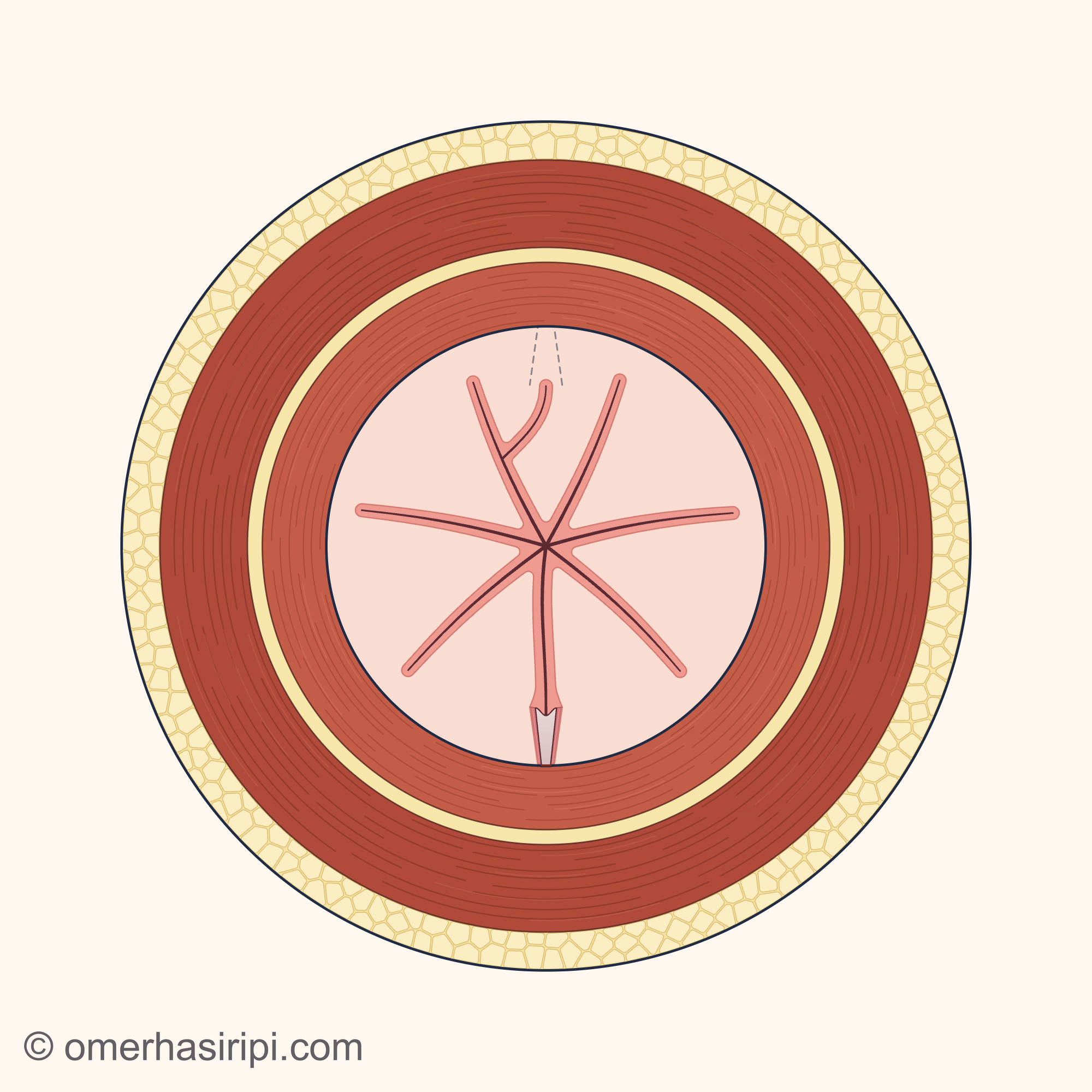
An anal fissure (tear) is a tear in the thin, sensitive skin lining the lower part of the anal canal, below the dentate line[1, 3, 8, 9]; the fissure is painful because this area is very sensitive to pain[1, 4]. Most fissures occur on the back midline of the anus, and fewer on the front midline[1, 2, 8, 9]. According to the American guideline, approximately 73% of fissures are on the back midline; in 13% of women and 8% of men with a fissure, it is on the front midline[9]. Fissures on the front midline are more common in women and are often seen after childbirth[1, 2].
It is a common condition: it is estimated to occur at least once during the lifetime of 7.8% to 11.1% of people[1]; the guideline of the Association of Coloproctology of Great Britain and Ireland (called the British guideline on this page) gives the lifetime risk as 7.8%[8]. It occurs equally often in women and men[1]; it most commonly occurs in people aged 15 to 40[5, 8].
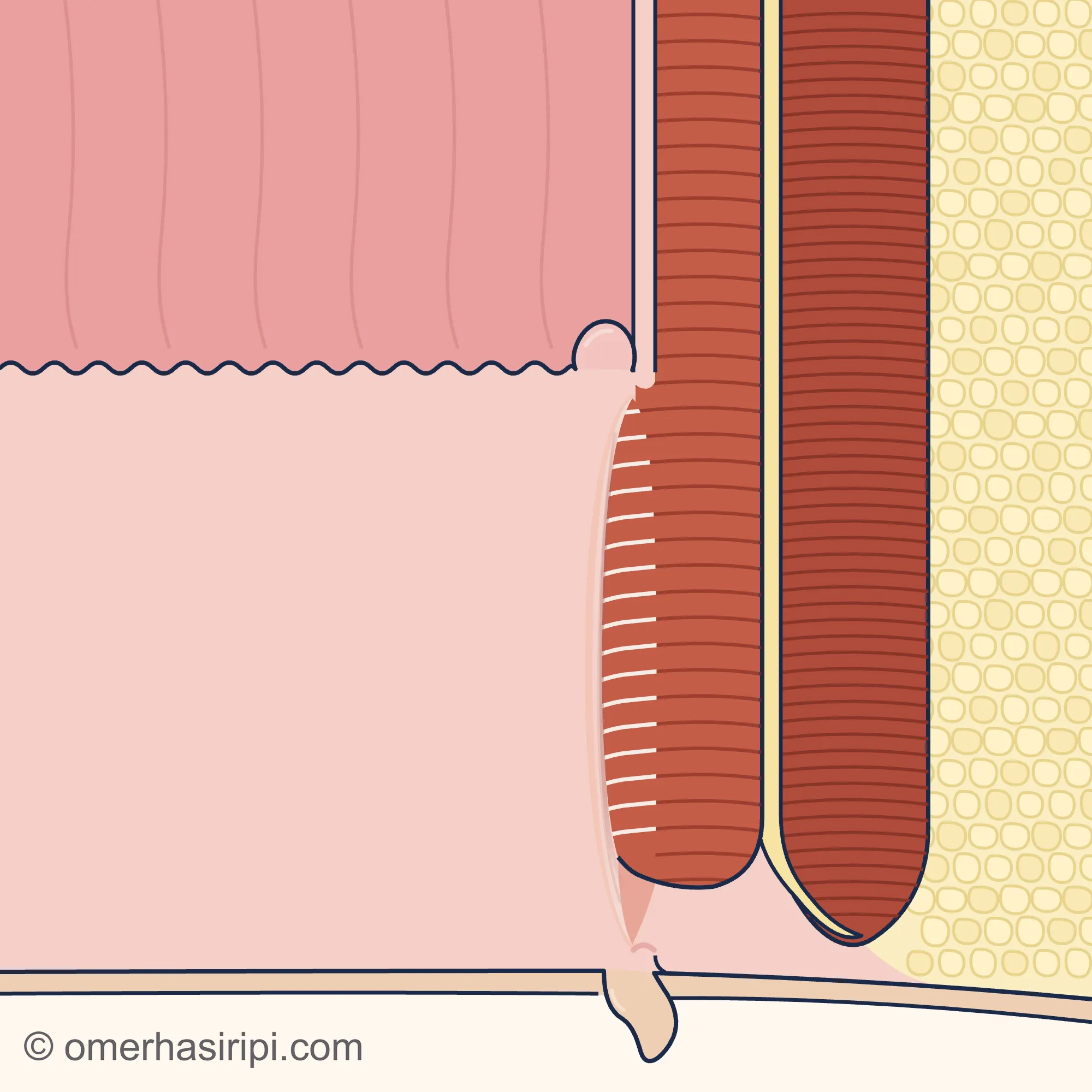
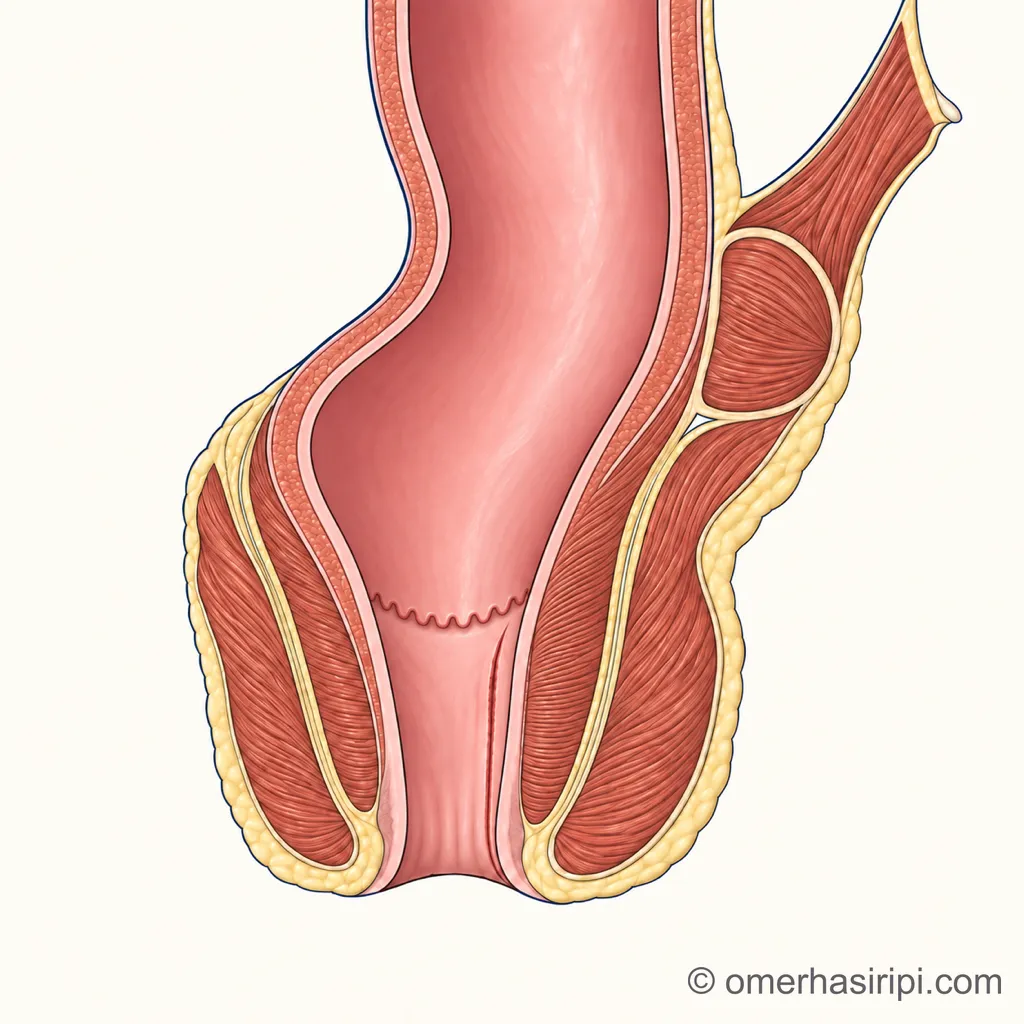
A fissure lasting less than six weeks is called an acute (new) fissure[8, 9]; the British guideline considers a fissure lasting six weeks or longer to be chronic (long-standing)[8]. The Belgian and German guidelines give this threshold as six to eight weeks[1, 3]. In a chronic fissure, changes indicating that it has been present for a long time are often also seen: the edges of the fissure thicken[1, 3]; a small skin tag called a sentinel pile may form at its outer end, and a small bump (enlarged papilla) may form inside the canal at its inner end, and fibres of the inner anal muscle may be visible at the base of the fissure[1, 3, 8, 9].
Enlarge
Swipe the drawing right or left to see the details. You can use the arrow keys on your keyboard.
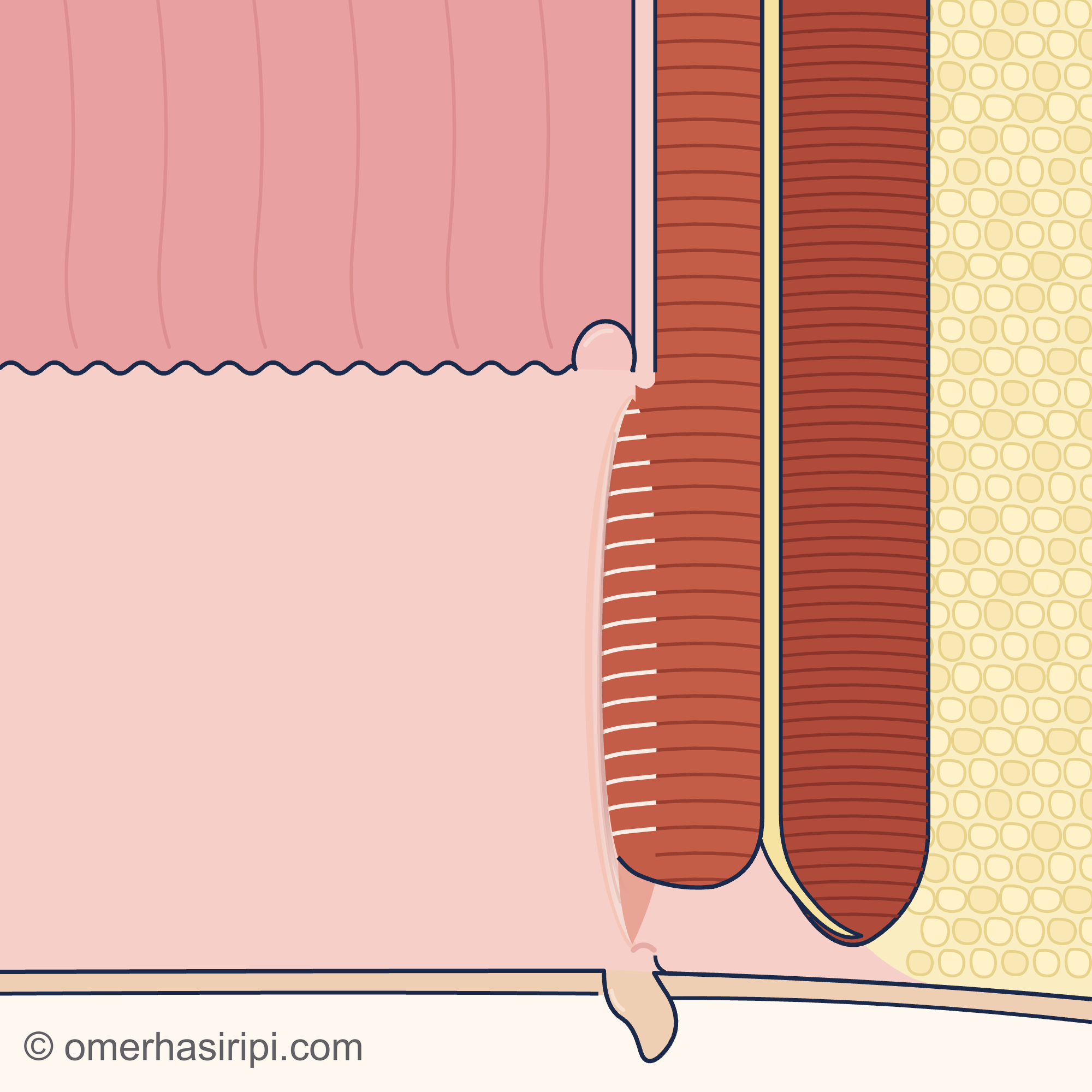
- 1 Skin tag (sentinel pile)
- 2 Fissure
- 3 Inner anal muscle fibres at the base of the fissure
- 4 Enlarged papilla
- 5 Dentate line
Description of the drawing
In a long-standing (chronic) fissure, the edges often thicken and fibres of the inner anal muscle may be visible at its base. A small skin tag (sentinel pile) may form at the outer end of the fissure, and a small bump (enlarged papilla) may form at its inner end, inside the canal just above the dentate line. These changes show that the fissure has been present for a long time.
Illustrative drawing, not to scale. Prepared for this site.
What causes it?
A fissure often begins when hard stool or diarrhoea damages the skin lining the anal canal[2, 9]. The most important risk factor is constipation, particularly hard stool[1]; however, not every patient has constipation, and frequent diarrhoea can also cause a fissure[1, 5, 8]. Pregnancy, vaginal childbirth and inflammatory bowel diseases also increase the risk[5]. One study also found injury during anal intercourse and sexual abuse among the important causes of chronic fissures[8].
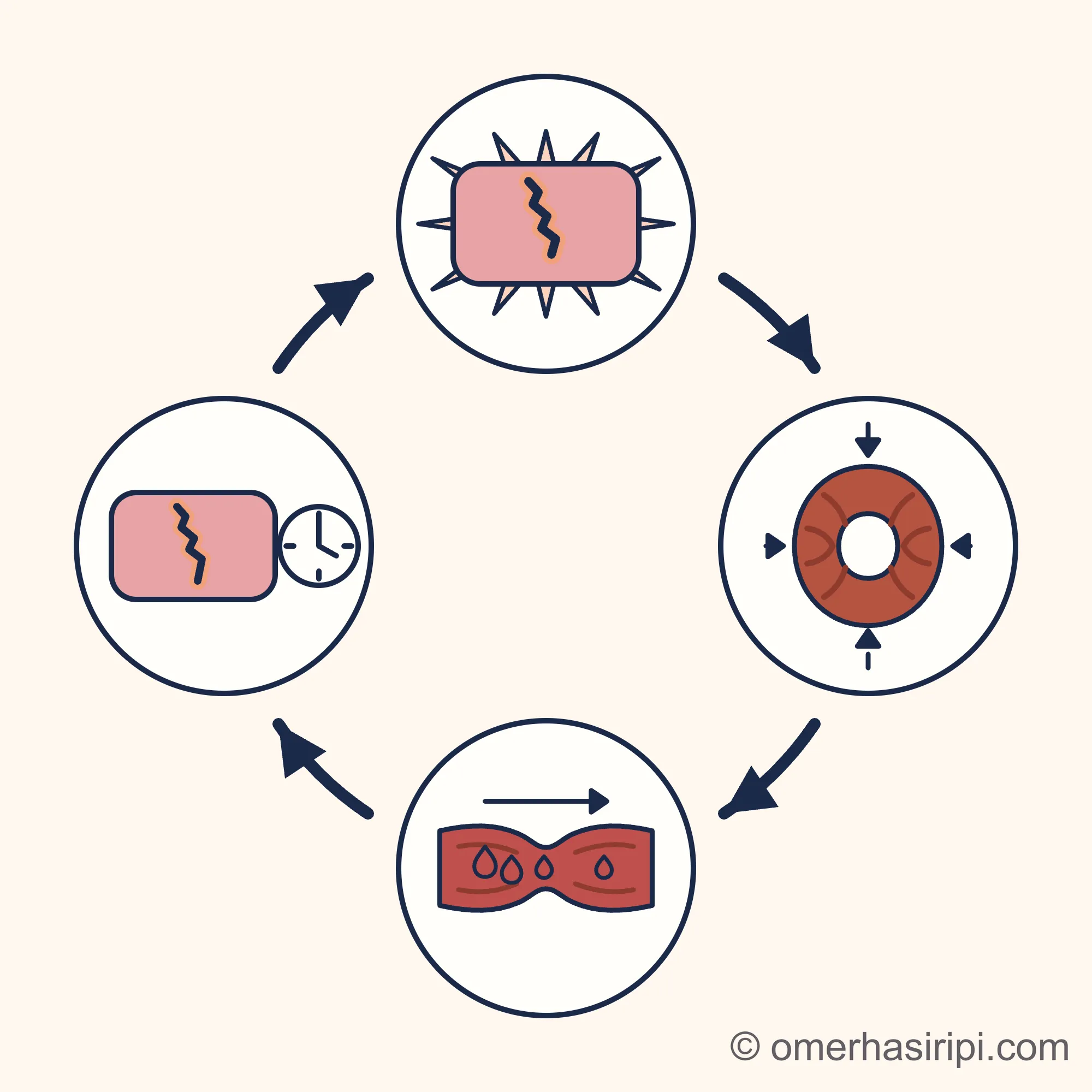
It is not fully understood how a fissure forms or why it does not heal easily[2, 3]. According to the most widely accepted explanation, pain causes the inner anal muscle (internal sphincter) to contract excessively; the contracted muscle reduces blood flow to the fissure, makes healing more difficult and creates a vicious cycle[1, 2, 3, 8]. However, this explanation does not apply to every patient: the British guideline states that fissures with normal or low anal muscle pressure may be more common than previously thought[8].
Enlarge
Swipe the drawing right or left to see the details. You can use the arrow keys on your keyboard.
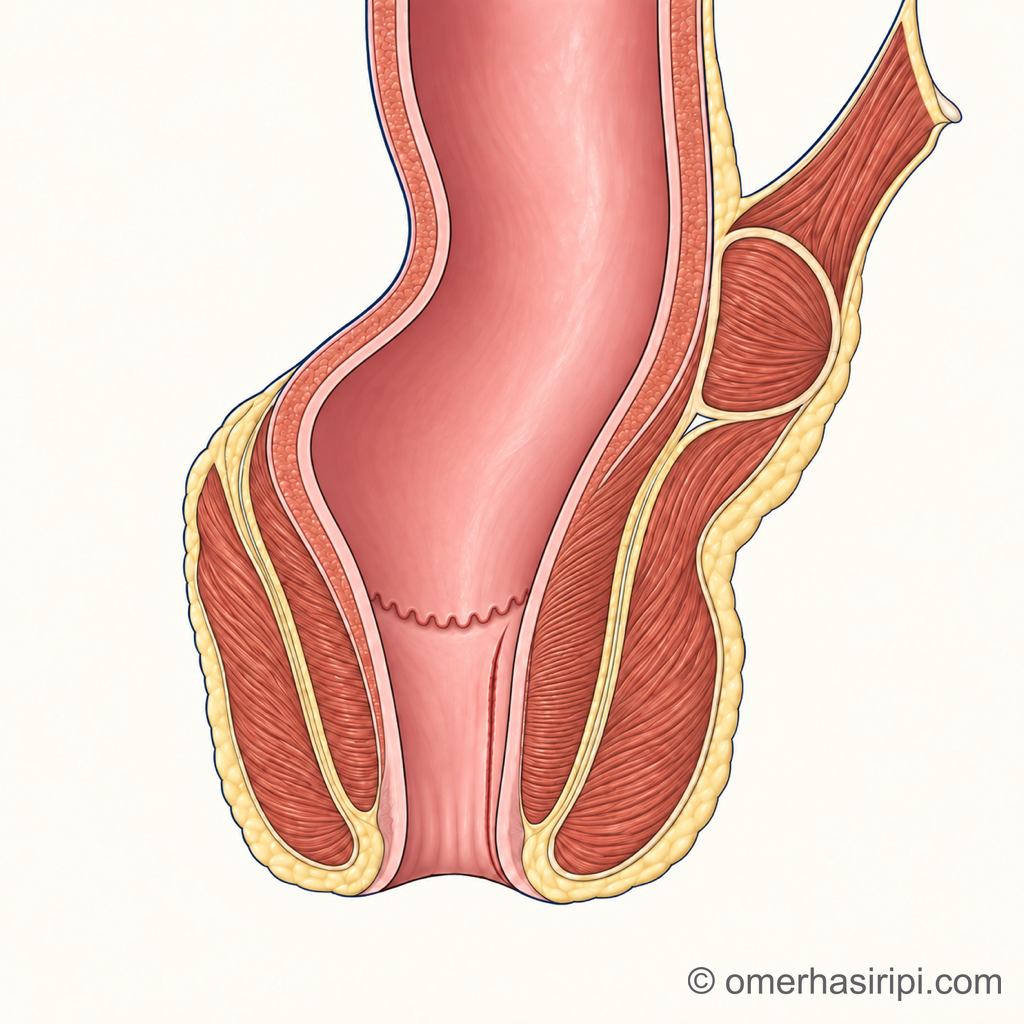
- 1 Fissure
- 2 Dentate line
- 3 Contracted inner anal muscle
- 4 Back (towards the tailbone)
Description of the drawing
The fissure is in the pain-sensitive skin below the dentate line. According to the most widely accepted explanation, pain causes the inner anal muscle to contract; the contracted muscle reduces blood flow to the fissure and makes healing more difficult. The anal canal is drawn open to show the structures; it is normally closed.
Illustrative drawing, not to scale. Prepared for this site.
What are the symptoms?
Anal pain associated with passing stool is the most characteristic sign of an anal fissure[1, 3, 8, 9]. The pain is sharp or burning; it begins when passing stool and can last for minutes or even hours afterwards[1, 2, 8, 9]. Pain occurs in approximately 91% of patients[1]. It can be very severe and can significantly affect daily life[8, 9].
The second common symptom is bleeding, which occurs in approximately 71% of patients[1]; the blood is usually bright red and the amount is small[1, 8], noticed in the toilet or on toilet paper when wiping[5, 9]. Sometimes, especially in women, the main complaint may be bleeding rather than pain[2]. With a chronic fissure, the patient may feel a small skin tag at the anus, which may also be painful; symptoms may lessen and worsen from time to time[1].
There are other causes of anal bleeding and anal pain, such as piles[5], an anal fistula or skin conditions around the anus[8]. A painless fissure is unusual and should be investigated for another condition[1, 2].
Which department treats an anal fissure?
The general surgery department treats anal fissures. Your family doctor or workplace doctor can perform the initial examination and, if they consider it necessary, refer you to the general surgery department.
How is it diagnosed?
The diagnosis is often made by listening to your symptoms and gently examining the anus: the fissure can usually be seen when the buttocks are gently parted[1, 2, 3].
Because of pain and contraction of the anal muscle, looking inside the anus with a short tube with a light at its tip (anoscopy) is often not possible at first[3]. A finger examination and anoscopy may be postponed until the pain subsides; however, this examination must be performed at subsequent check-ups to rule out other conditions[1]. If the examination cannot be performed at subsequent check-ups because of pain, examination under general anaesthetic is considered[1]; the German guideline recommends examination under general anaesthetic if symptoms persist despite 6–8 weeks of non-surgical treatment and pain prevents examination inside the anus[3]. Examination under general anaesthetic is also recommended when the diagnosis is uncertain[2, 5].
For a typical fissure, additional tests such as colonoscopy, anal ultrasound or measurement of anal muscle pressure are usually unnecessary[1, 2]. According to the Belgian guideline, a colonoscopy may also be needed if there is blood loss, a change in bowel habits or a family history of bowel cancer[1]. The Italian guideline also lists significant bleeding in people over 50 among the situations that may require further tests[2]. The British guideline states that additional tests may be considered in some circumstances: anal ultrasound if an abscess or fistula hidden beneath the fissure is suspected; measurement of anal muscle pressure before an invasive or irreversible treatment for fissures whose unusual features suggest that anal muscle pressure may be low; measurement of the muscle pressure and assessment of its structure before any treatment in people who regularly have anal intercourse; and both anal ultrasound and pressure measurement if sphincterotomy surgery has not healed the fissure[8].
The British guideline states that it is also important to take a sexual history during the assessment[8]. If you have problems with leaking wind or stool, tell your doctor about this too: a detailed history of leakage may help identify people whose anal muscle pressure needs to be measured[8].
What might suggest another condition?
About 1% of fissures have an unusual (atypical) appearance[1]. The following features suggest that the fissure may be due to another condition, such as inflammatory bowel disease (for example, Crohn’s disease), a sexually transmitted infection or cancer, and require further investigation[1, 4]:
- A fissure at the side rather than in the midline[8, 9]
- More than one fissure at the same time[8, 9]
- A painless fissure
- A hard, deep or irregular wound; discharge containing pus or blood; a skin tag that has developed a sore and become hardened
- A fissure that appears at an older age[8]
- A fissure that does not improve despite appropriate treatment[1, 4, 8]
The American guideline states that fissures at the side or multiple fissures need more extensive investigation because they can be associated with HIV infection, Crohn’s disease, syphilis (lues), TB (tuberculosis) and blood cancers[9]. A correct diagnosis is important: according to the British guideline, when conditions such as Crohn’s disease, tuberculosis or sexually transmitted infections mimic a fissure, the main treatment is treatment of the underlying condition, and unnecessary operations that could cause harm are avoided[8]. A medicine called nicorandil, used to treat heart-related chest pain (angina), can also cause a wound that resembles a fissure; it may improve when the medicine is stopped[8]. If you take this medicine, do not stop it yourself; consult your doctor.
An abscess or fistula may be hidden beneath a chronic fissure; this can increase pain and prevent the fissure from healing with treatment, and if present it also needs to be treated[8]. Fever, weight loss and a family history of bowel cancer are also warning signs that should be asked about[1].
Early-stage anal cancer can look like a fissure that is not healing[1, 4, 8]. According to the Belgian guideline, if symptoms persist after 8 to 12 weeks of treatment, the doctor should therefore check whether the fissure has healed; if it has not healed, a tissue sample (biopsy) should be taken[1]. The British guideline does not specify a separate time period for a biopsy; it recommends considering an examination under general anaesthetic and a biopsy for a fissure that has not healed despite about two months of cream treatment or that looks unusual[8]. This possibility is unlikely[1]; the check is intended to rule out a condition that might otherwise be missed. Whenever cancer is suspected, the patient should be referred to a specialist without delay[8].
What can you do at home?
For a new fissure, the first step in treatment is not surgery: the aim is to soften the stool, establish regular bowel habits and relieve pain[1, 2, 8, 9]. A substantial proportion of new fissures heal, but sources give different rates. According to the Belgian guideline, about 90% heal on their own without any treatment[1]. The German guideline also states that the rate of healing on its own is considered high, but that there are no precise data; it reports that 60% to 90% of new fissures heal with non-surgical treatment[3]. According to the American guideline, symptoms resolve in nearly half of patients with a new fissure with non-surgical measures such as sitz baths and fibre supplements[9]. The longer symptoms have been present, the lower the chance of healing appears to be[2, 9]: in a study of 60 patients treated without surgery, all patients whose symptoms had lasted less than a month healed, while only one third of those whose symptoms had lasted more than six months healed[9].
- Eat a diet rich in fibre and drink plenty of fluids[1, 5]; the British guideline mentions eating at least 30 grams of fibre a day[8]. The aim is to soften the stool without causing diarrhoea[8]. If the stool is still hard, a fibre supplement recommended by your doctor (for example, psyllium husk) or a stool-softening medicine (for example, macrogol) may be added[1, 2, 3].
- Simple painkillers such as paracetamol or ibuprofen may be used for pain[1, 5]. Ibuprofen is not suitable for everyone. For example, people who are allergic to ibuprofen, aspirin or similar painkillers; who have or have previously had a stomach ulcer; who have asthma or an allergy such as hay fever; who have chickenpox; who have heart, liver or kidney disease; who have a bleeding or clotting problem; or who have had a stroke should first consult a pharmacist or doctor[7]. People taking blood thinners, cortisone, medicines for depression or blood pressure medicines should also consult them first[7]. Ibuprofen should not be taken at the same time as a similar painkiller such as aspirin or naproxen, and should not be used as tablets or capsules for more than 10 days unless a doctor recommends it[7]. If you regularly take low-dose aspirin to prevent blood clots, do not stop it yourself unless you are told to do so; consult your doctor or pharmacist before taking ibuprofen[11]. Ibuprofen should not be used during pregnancy unless recommended by a doctor or pharmacist; paracetamol is usually preferred during this time[7]. If you are trying to become pregnant, consult them first as well[7]. If you are breastfeeding, consult your pharmacist or doctor before using ibuprofen; paracetamol is usually preferred during this time, but ibuprofen can also often be used when needed[7].
- Do not delay the urge to open your bowels; avoid sitting on the toilet for a long time and straining; keep the anal area clean and dry[5, 8].
- Some patients say that using a bidet or a bidet tap relieves their symptoms; avoiding products that can irritate the skin, such as wet wipes and detergents, may be helpful[8].
- A warm, shallow sitz bath after opening your bowels may relieve pain[5] and provides comfort. Sitz baths are safe and increase patient satisfaction; however, the evidence on how much they reduce pain is conflicting[8]. They have not been shown to speed up healing of the fissure[1, 3].
Numbing (local anaesthetic) creams may relieve pain[3, 8], but they neither increase nor decrease the healing rate[3]. According to the Belgian guideline, cortisone creams have not been shown to benefit a newly developed fissure; it recommends against using them because they can cause thinning of the skin and allergies[1]. The German guideline considers them suitable only when there is an additional problem such as eczema around the anus[3]. The American guideline, however, lists numbing or cortisone creams among options with very few side effects that can be added to basic measures for a new fissure[9].
See a doctor if your symptoms worsen despite these measures or do not improve within a week[5].
Continuing to eat a high-fibre diet for a long time after a fissure has healed, particularly a newly developed one, helps prevent it from recurring[1, 3, 9]. In one study, fissures recurred in 16% of those who took 5 grams of unprocessed bran three times a day for a year, compared with 68% of those who took an inactive substance (placebo)[1, 2].
Creams that relax the anal muscle
If the fissure is not healing and the anal muscle is contracted, creams that relax the inner anal muscle are used[1]. These creams temporarily relax the muscle, increase blood flow to the fissure and thereby help it heal; this effect is not permanent[1]. The creams used fall into two groups: calcium channel blockers such as diltiazem and nitrates such as nitroglycerin[1, 2, 3, 8, 9]. Calcium channel blockers are preferred as a cream applied to the anus rather than as tablets taken by mouth: side effects affecting the whole body are much less common with the cream (4.3% compared with 38%)[9].
Enlarge
Swipe the drawing right or left to see the details. You can use the arrow keys on your keyboard.
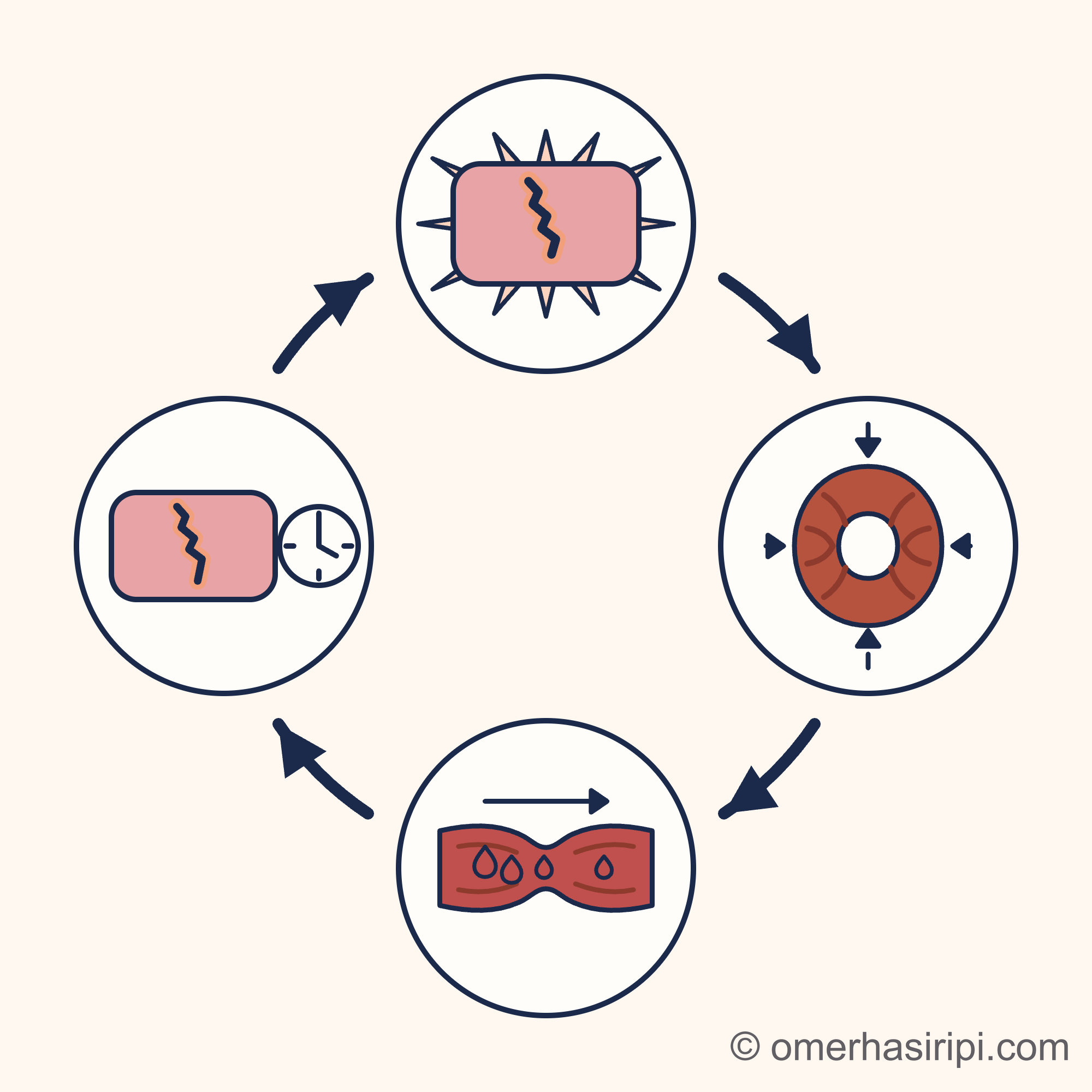
- 1 Pain
- 2 The inner anal muscle contracts excessively
- 3 Blood flow to the fissure decreases
- 4 The fissure has difficulty healing
Description of the drawing
According to the most widely accepted explanation, pain causes the inner anal muscle to contract excessively; the contracted muscle reduces blood flow to the fissure; the fissure, with its reduced blood supply, has difficulty healing and the pain continues. Creams that relax the muscle, botulinum toxin and an operation in which part of the muscle is cut (lateral internal sphincterotomy) aim to break this cycle by relaxing the muscle. This explanation does not apply to every fissure: fissures also occur when anal muscle pressure is normal or low; fissures with low pressure are most commonly seen after childbirth.
Illustrative drawing, not to scale. Prepared for this site.
All five guidelines list these creams among treatments that can be used as first-line treatment for a chronic fissure[1, 2, 3, 8, 9]. The two groups produce similar healing rates, but calcium channel blockers have fewer side effects[2, 3, 8, 9]; for this reason, the German guideline recommends calcium channel blockers as the first choice[3], and the Belgian guideline prefers diltiazem to nitrates[1]. The British guideline, however, states that neither cream is clearly superior and that the cream can be chosen according to the individual; for example, it considers diltiazem more suitable for people who have previously had headaches[8]. The American guideline states that calcium channel blockers can be used as first-line treatment[9].
The guidelines differ on new (acute) fissures: the German guideline also recommends calcium channel blocker cream for 3 to 8 weeks for a new fissure[3]; the Italian guideline considers these creams as an additional treatment for a new fissure when dietary and toilet advice cannot be followed[2]. The American guideline recommends non-surgical treatment as the first line for a new fissure; its recommendations on muscle-relaxing creams are for chronic fissures[9]. The British guideline’s recommendation on creams is also for chronic fissures; however, in its conclusion, the guideline recommends that a fissure be recognised in primary care (by a family doctor) and treated immediately with dietary changes, stool softeners and muscle-relaxing creams[8].
The most studied nitroglycerin cream was used in studies two or three times a day for six to eight weeks[1]. There is little agreement about the duration of treatment; most doctors recommend an 8-week course, and the British guideline gives two months of treatment as a duration that can be considered[8]. Continuing stool softeners while using the cream should also be considered, particularly if stools are hard or infrequent[8]. Your doctor will determine which cream is suitable for you, how to use it and for how long.
The most common side effect of nitrate creams is headache: according to sources, it occurs in 16% to 32% of patients, and according to some reviews in at least 30%[1, 2, 3, 8, 9]; up to 20% of patients stop treatment because of it[2, 9]. If you develop a headache after applying nitrate cream, the cream’s instructions say to wipe it off; tell your doctor if the headache is severe or bothers you[10]. Headache is significantly less common with calcium channel blocker creams than with nitrate creams[1, 2, 8, 9]: in the British guideline’s assessment, the likelihood of headache is 85% lower with diltiazem, and this finding is based on high-quality evidence[8]. Itching can also occur with diltiazem cream: in one review it occurred in 6 of the 44 patients using diltiazem (about 14%)[8].
Nitroglycerin cream is not suitable for everyone. It must not be used with medicines for erection problems such as sildenafil, tadalafil or vardenafil, with nitrate medicines used for heart pain (angina), or with amyl or butyl nitrite (also commonly known as “poppers”[12]); using them together can cause blood pressure to fall too low[10]. These medicines can also be used for other purposes: sildenafil for high blood pressure in the blood vessels of the lungs (pulmonary arterial hypertension)[12], and tadalafil for urinary problems caused by an enlarged prostate and for high blood pressure in the blood vessels of the lungs[13]. The warning applies whatever purpose you use these medicines for; tell your doctor before using the cream[10, 12, 13]. Not using them together does not simply mean avoiding use at the same time: if you occasionally take one of these medicines for erection problems or use poppers, do not use them for as long as you are using the cream[10]. If you use or have recently used one of these medicines, tell your doctor or pharmacist before using the cream[10]; also tell your doctor which one you took and when you took the last dose, and decide together whether you can use this cream and, if so, when you can start.
If one of these is a medicine that your doctor has told you to use regularly or as needed for heart pain, high blood pressure in the blood vessels of the lungs or urinary problems caused by an enlarged prostate (for example, a nitrate placed under the tongue for heart pain, sildenafil or tadalafil given for high blood pressure in the blood vessels of the lungs, or tadalafil given for urinary problems caused by an enlarged prostate), do not stop it on your own; in this case, do not use the cream[10] and consult your doctor: they may recommend another treatment for the fissure.
People who are allergic to nitroglycerin; who have low blood pressure; heart or blood vessel disease; migraine or frequent headaches; anaemia; narrow-angle glaucoma (a type of eye pressure that rises suddenly); raised pressure inside the skull (for example, due to a head injury or bleeding in the brain); or insufficient blood flow to the brain should also not use this cream[10]. If you have liver or kidney disease, tell your doctor before using the cream[10].
Blood pressure medicines and some medicines for depression can also increase the cream’s blood pressure-lowering effect; the cream’s instructions say it should not be used with them[10]. The instructions also say it should not be used with acetylcysteine, which is also used to help clear mucus, or alteplase, which is given into a vein in hospital to dissolve blood clots[10]. Diuretics and some commonly used sedatives can also increase the cream’s blood pressure-lowering effect[10]. If you use or have recently used one of these medicines or another medicine, including those available without a prescription (for example, painkillers such as aspirin or ibuprofen, heparin used to prevent clotting, or dihydroergotamine used for migraine), you must tell your doctor before using the cream[10]. Do not stop a medicine you take regularly on your own in order to use the cream; decide with your doctor what to do.
Because the cream can lower your blood pressure, get up slowly from lying or sitting, otherwise you may feel faint; if you drink alcohol, your blood pressure is more likely to fall[10]. If you feel dizzy or sleepy, or your vision becomes blurred when you start using the cream, do not drive or operate machinery until these effects have passed[10]. If you also have piles and your bleeding is heavier than usual while using the cream, stop using it and consult your doctor[10]. The instructions for the ointment cited as a source say not to smoke or go near a naked flame while using it because it contains paraffin: there is a danger of severe burns, and clothing, bedding and dressings that have come into contact with the ointment catch fire more easily[10]. If you develop swelling of your face, lips, tongue or throat, difficulty breathing, shortness of breath or fainting while using the cream, stop using it and call 112 immediately; if you have an allergic skin reaction, stop using the cream and contact your doctor[10].
Creams do not heal every fissure. About half of chronic fissures heal with non-surgical treatment, particularly muscle-relaxing creams applied to the anus[2, 3, 9]; the English guideline states that a healing rate of 50 to 60% can be expected after an adequate course[8]. In reviews of studies on chronic fissures, healing rates at eight weeks were 64% with nitrates, 52% with diltiazem and 95% with surgery[1, 8]. These are absolute rates calculated from the pooled results of nine studies, and only 44 patients received diltiazem[8]. In studies directly comparing the two creams, diltiazem was found to be as effective as or slightly more effective than nitrates[1, 2, 8, 9]; the English guideline considers the evidence for this healing comparison to be of very low quality and the evidence for the headache comparison to be of high quality[8].
Reported recurrence rates after nitrate treatment vary greatly depending on the source, the length of follow-up and which patients are included in the calculation. In a review in the English guideline, fissures recurred in 11.2% of patients who received nitrates and were followed for 2 to 36 months[8]. In a study comparing nitrate with botulinum toxin, recurrence at one year was 50% in the nitrate group[9]; some studies have reported rates of up to 67% within one year of initial healing[1]. In four studies, late recurrence was less frequent with diltiazem than with nitrates[8]. Drug treatment is less effective than surgery; nevertheless, it is recommended first because it is readily available, well tolerated and has no serious complications[1]. The English guideline also considers it reasonable to start with the least invasive treatment and progress step by step[8].
If the fissure does not heal completely after the first course of cream, a second course may be considered; whether the cream was used regularly and for long enough, toilet habits and the possibility of another condition should also be reviewed[8]. Switching to diltiazem is an option for a fissure that has not healed with nitrate: in one study, 12 of 27 patients (44%) whose fissures had not healed after completing a course of nitrate healed with diltiazem[8].
Botulinum toxin (injection treatment)
If there is not enough improvement after 6 to 8 weeks of creams and the anal muscle is still tight, botulinum toxin may be injected into the internal anal muscle[1]. The injection temporarily relaxes the muscle: the relaxation lasts about three months, and pain usually begins to decrease about one week after the injection[1]. It removes the need to use cream every day[1].
The American guideline also considers the injection an option that gives similar results to creams as a first-line treatment; it states that, as a second-line treatment after creams, it slightly improves healing[9]. The English guideline states that the injection may be considered for women with a chronic fissure that persists despite stool-softening medicines and creams; for men, it considers this option for those who do not want the muscle cut or who have problems controlling wind or stools[8].
The procedure can be performed in the doctor's surgery without anaesthetic or with the area numbed, with a sedative (sedation), or under general anaesthetic[1]. The German guideline states that the injection is often painful and should be given under general anaesthetic if necessary; it considers this treatment a second-line option that can be discussed with the patient as an alternative to surgery when calcium channel blocker creams have not worked[3]. It recommends against using it for a new (acute) fissure[3]. The English guideline states that the lowest dose and a single injection may be considered[8]; according to the American guideline, there is no consensus on the dose or method of administration[9].
Healing rates in studies range from 43 to 67%[2]; results ranging from 27 to 100% have also been reported, depending on how healing is defined[1]. According to the English guideline, about two out of every three patients can be expected to heal[8]. Compared with creams, results are similar or slightly better; the guidelines assess this differently[2, 3, 8, 9].
Almost all side effects are temporary[1]. The most important is temporary loss of control of wind or stools: it was reported in 14% of patients in studies, and permanent loss of control was seen in almost none of the studies[1]. In a larger review including 1,577 patients, temporary loss of control occurred in 5%[8, 9]; it was often short-lived, usually lasting about two weeks[8]. Rarely, bruising, pain, infection or an abscess, and itching may occur around the anus; internal piles protruding outside the anus have also been reported; an extremely rare severe infection has also been reported[1]. According to the Belgian guideline, it is not used during pregnancy, in people allergic to this substance, in certain nerve and muscle conditions such as myasthenia gravis, or together with aminoglycoside antibiotics[1].
Its effect is not as lasting as surgery: recurrence rates in studies reached up to 41.7% with follow-up of up to 3 years and up to 52.5% at 5 years[1]; one study found a rate of 28% at one year[9]. If the first injection is not enough or the fissure recurs early, the injection may be repeated[1]; the English guideline also states that another injection may be considered if the first dose does not heal the fissure or if a healed fissure later recurs[8].
When is surgery needed?
Surgery is considered for chronic fissures that continue to cause symptoms despite non-surgical treatment[1, 2, 3, 8, 9]. The German guideline recommends offering everyone a 6-week trial of non-surgical treatment before surgery; however, it states that surgery may also be performed as the first treatment if the patient wishes or if there is a fistula or significant permanent tissue changes alongside the fissure[3]. The Belgian guideline considers surgery after at least 6–8 weeks of treatment with creams and/or botulinum toxin[1]. According to the English guideline, a patient who has not improved despite 6–8 weeks of treatment in primary care should be referred to a specialist, where more invasive treatments should be introduced step by step; earlier referral is also possible in special circumstances[8]. The American guideline does not specify a waiting period: it strongly recommends that lateral internal sphincterotomy may be performed in selected patients without trying medication first[9]. Surgery is not recommended for a fissure that causes no symptoms[1]. Surgery can be performed as a day case; local, regional or general anaesthesia may be used[1].
Lateral internal sphincterotomy
A small part of the internal anal muscle is cut from the side, for the length of the fissure, to relax it[1, 2]. The guidelines differ on how long the cut should be: the American guideline states that a cut limited to the length of the fissure achieves the same healing rate and causes less loss of control[9]; the English guideline considers extending the cut to the dentate line in men and cutting as little of the muscle as possible in women[8]. This method has the highest healing rate[1, 2, 8, 9]: about 90%, ranging from 88 to 100% in studies[1, 2, 9].
The main risk is loss of control in the form of passing wind involuntarily or slight soiling of underwear; loss of control of solid stools is rare[1, 2, 9]. In studies reviewed by the Italian guideline, this rate ranges from 6 to 30%[2]; according to the American guideline, it ranges from 8 to 30% in follow-up of up to six years[9]. According to the Belgian guideline, the rate falls from 15–20% in the first 3 months to 4–5% at 12 months[1]. In a separate review with follow-up longer than two years, loss of control of wind was found in 9%, soiling of underwear in 6%, and loss of control of liquid or solid stools in 1%[1]. The English guideline states that loss of control of wind may be permanent and may occur in up to 10% of patients; in studies published after 2000, the rate of loss of control fell to 3.9%[8]. According to the guideline, some of this risk may be due to inappropriate patient selection[8]. The American guideline states that the vast majority of patients retain bowel control and quality of life in the long term[9]. Early problems such as bleeding, inability to pass urine or a clot in a pile occur in fewer than 5%[1].
The guidelines differ on the role of this operation. The American guideline considers it the preferred treatment for selected patients without a previous problem with loss of control, at its strongest level of recommendation[9]. The Italian guideline considers it the first choice for a chronic fissure that has not responded adequately to drug treatment and where the anal muscle is tight, provided there are no symptoms of loss of bowel control, previous anal surgery or injury to the anal area, injury to the anal muscle, or injury to the anal area during childbirth[2]; the Belgian guideline considers it an established option[1]. The English guideline states that this operation should be considered in men with a chronic fissure that persists despite stool-softening medicines and creams, and may be considered carefully in women; the risk of loss of control is higher in women because the internal anal muscle is shorter[8]. The German guideline recommends against performing this operation as the first operation because of the risk of loss of control; it states that it may be discussed with individual patients only when all other options have been exhausted[3].
Fissurectomy
The fissure is removed together with its thickened edges, the skin tag on the outside and the papilla on the inside; the anal muscle is not cut[1, 2]. The removed tissue should be examined under a microscope[3]. According to the German guideline, fissurectomy has a lower healing rate than sphincterotomy but a lower risk of loss of bowel control; for this reason, the guideline recommends fissurectomy as the first choice among operations[3]. The Italian guideline considers fissurectomy less effective than sphincterotomy in patients with a tight anal muscle and reports that a Cochrane review found a similar risk of loss of control with the two methods[2]. In the only comparative study cited by the American guideline, which included 62 patients, there was no loss of control or recurrence in the sphincterotomy group, while loss of control occurred in 6.2% and recurrence in 3.1% of the fissurectomy group[9]. The English and American guidelines make no recommendation for fissurectomy alone; the English guideline considers it only together with botulinum toxin[8, 9]. In studies, the wound took about 7.5 to 10 weeks to heal, sometimes longer[1].
A botulinum toxin injection may be added to fissurectomy to relax the anal muscle[1, 3, 8]; recent studies using the two together have reported healing rates of 67–83%, recurrence rates of 0–17% and mild loss of control in 3–7%[1]. In four retrospective studies cited by the English guideline, complete healing ranged from 73 to 93%[8]; in two series cited by the American guideline in which high-dose botulinum toxin (100 units) was used, healing was 95%, although some patients may need the procedure repeated for complete healing[9]. According to the English guideline, this procedure requires regional or general anaesthesia[8]; the Belgian guideline considers fissurectomy a procedure best performed under general anaesthetic, but also considers local anaesthesia an option, although it is less comfortable for the patient[1].
The wound may also be closed by moving nearby healthy skin over it (a skin flap)[1, 2]. With this method, healing rates are high in many series and the risk of loss of control is low[1, 2, 9]; loss of control is also less frequent than with sphincterotomy[8, 9]. However, according to the English guideline, the operation takes longer and the fissure recurs more often[8]. In a comparative study of 150 patients followed for one year, healing was 84% with sphincterotomy, 48% with a skin flap alone and 94% when both were performed together; recurrence was 4%, 22% and 2%, respectively; and loss of control was 14%, 0% and 2%[9]. In a weak recommendation, the American guideline considers a skin flap a safe option with a lower risk of loss of control and a similar healing rate compared with sphincterotomy; it states that it may be considered for patients with pre-existing loss of control who have not responded to previous treatments[9].
Who needs greater caution?
Surgery that cuts the muscle (lateral internal sphincterotomy) is not recommended for people who already have problems controlling wind or stools, have a documented injury to the anal muscle, or have had an injury to the anal area during childbirth[2]. The American guideline also lists women injured during childbirth, people with inflammatory bowel disease, people who have previously had anal surgery and people with a documented injury to the anal muscle among those for whom this operation may not be suitable as a first treatment[9]. This operation is also performed only with great caution in the period after childbirth, in people with low anal muscle pressure and in people who have previously had anal surgery[3]; the English guideline's treatment pathway also includes tests of anal muscle pressure and function before choosing the type of surgery in women in the period after childbirth and men who have previously had anal surgery[8]. The Belgian guideline adds women who have given birth many times, older people and people with frequent diarrhoea, irritable bowel syndrome or diabetes to this group[1]. Methods that do not cut the muscle are favoured in these patients: fissurectomy, a skin flap or, if anal muscle pressure is not low, botulinum toxin, whose effect is temporary[1, 2, 8]. However, if anal muscle pressure is already low, treatments that reduce muscle pressure, including botulinum toxin, are not suitable[1, 8].
For people who regularly have anal sex, the English guideline considers non-surgical treatments and operations that preserve the muscle; it states that measuring anal muscle pressure and assessing its structure may be considered before any treatment[8]. The effect of treatment on these people’s sex lives, particularly of operations that may leave noticeable scarring, should also be assessed[8].
The anal muscle is not contracted in every fissure[2, 8]; fissures where anal muscle pressure is low are most often seen after childbirth[1]. The doctor assesses whether the muscle is contracted with a finger during the examination; in a chronic fissure that does not respond to medication, anal muscle pressure may also be measured if needed[2]. However, according to the English guideline, examination with a finger does not show this reliably: in a study of 40 patients, 26 of whom had not responded to nitrate cream, the muscle was found to be contracted in 88% of patients on examination, whereas pressure was high in only 38% when measured[8]. The guideline therefore states that pressure measurement may be considered before an invasive or irreversible treatment for fissures in the front midline, multiple fissures, or fissures that suggest a relaxed muscle[8].
For these fissures, creams or injections that relax the muscle, or surgery intended to lower muscle pressure, are not suitable[1, 8]. According to the Belgian guideline, newly occurring fissures of this kind are first treated with basic measures such as diet and stool softening; for fissures that do not heal (chronic fissures), fissurectomy is performed, with a skin flap if needed, although the evidence is limited[1]. In one study, 93% of new fissures that appeared after childbirth healed with basic measures alone[8]. The English guideline states that pelvic floor physiotherapy (biofeedback) may be considered for a low-pressure fissure that does not heal with basic measures, followed by nerve stimulation (neuromodulation) if this does not work; skin flap surgery may be considered if non-surgical treatments fail. The evidence for these treatments is limited[8].
Uncontrolled widening of the anus by hand (stretching) is not recommended because it heals fissures less effectively than sphincterotomy and increases the risk of stool leakage[2, 3]. The Italian guideline, however, states that controlled widening of the anus with a pressurised balloon (pneumatic balloon dilatation) may be a treatment option for a chronic fissure that has not responded adequately to medication when the anal muscle is contracted; it says that this method may be preferred to sphincterotomy in women who have given birth more than once and in people found to have previous damage or a childbirth-related injury to the anal muscle. These recommendations are weak[2]. Despite positive results with widening methods, the Belgian guideline no longer recommends widening the anus because of the risk of uncontrolled damage and other problems and because other effective treatments are available[1]; the American guideline also states that controlled widening with a balloon has shown promise in only one small study and has not been studied enough to become a standard treatment[9].
During pregnancy and breastfeeding
In studies, anal fissures were reported in mostly 3% to 11% of women during pregnancy and after childbirth; in one study, they were reported in 15.2% within two months after childbirth[1, 8]. Symptoms during this period are often attributed to piles, but anal pain with bowel movements should raise the possibility of a fissure[1]. Because constipation is the most important risk factor, preventing and treating constipation during the second and third trimesters of pregnancy is recommended[1].
During pregnancy and breastfeeding, a fissure is treated first with basic measures such as diet and stool softening[1]. The Belgian and English guidelines differ on medication treatments[1, 8]. Because an effect on the baby cannot be ruled out, the Belgian guideline recommends against using medicated treatments applied to the anus (cream or ointment) and botulinum toxin injections during this period[1]. The English guideline states that non-surgical medication treatments may be carefully considered during this period: according to England’s national medicines guide, nitroglycerin is not known to be harmful during pregnancy or breastfeeding and has the most safety data; the guideline therefore considers it probably the first choice during this period[8]. By contrast, the patient leaflet for the 4 mg/g nitroglycerin anal ointment in the UK, given as a source on this page, says not to use the ointment during pregnancy or breastfeeding[10]. There are not enough studies to show that diltiazem can be used safely during pregnancy; the English guideline also states that a review found a general signal of possible harm for the group of medicines that includes diltiazem, but that this related to use affecting the whole body, such as tablets, rather than use as a cream[8]. There are no studies examining its application to the anus while breastfeeding; the guideline considers this probably safe because the amount passing into milk is thought to be lower than with use by mouth[8]. Mothers using the cream are advised to wash their hands immediately after applying it and not to breastfeed for 1–2 hours[8]. For botulinum toxin, the same medicines guide recommends avoiding it unless clearly necessary[8]. The English guideline’s recommendation on this subject is based on expert opinion[8]; because the guidelines and the medicine’s patient leaflet say different things, the decision is made together with your doctor. Consult your doctor about every medicine you will use during pregnancy and breastfeeding.
In people with Crohn’s disease or a weakened immune system
The same basic measures, creams and botulinum toxin can also be used in people with Crohn’s disease or a suppressed immune system[1]. The English guideline excludes fissures in inflammatory bowel disease from its scope; nevertheless, it notes that little data has been published on this subject and that the available data supports non-surgical treatment because complications are more common after invasive surgery[8]. However, a more detailed examination is needed in these people because the fissure may have other causes; in people living with HIV, an infection must first be ruled out[1]. Anal sores caused by HIV may look like fissures, but they are treated very differently[8]. In Crohn’s disease, fissure surgery is avoided while bowel inflammation is active[1].
After treatment
A fissure may return after it has healed; the rate varies according to the treatment[1, 8, 9]. Reported recurrence rates after creams vary greatly depending on the length of follow-up and which patients were included in the calculation (11.2% to 67% with nitrates)[1, 8, 9]; studies have reported rates of 41.7% to 52.5% after botulinum toxin with follow-up of up to 3 to 5 years[1], and 0% to 8% after sphincterotomy[1, 8, 9]. These rates cannot be compared directly because they come from studies with different follow-up periods and methods of calculation[1, 8]. According to the Belgian guideline, a new fissure that returns may again be treated with cream and/or botulinum toxin before surgery[1]; the English guideline also states that botulinum toxin may be considered again for a fissure that returns after healing[8]. The German guideline, however, recommends against using botulinum toxin for a new (acute) fissure[3]. Good short-term healing and a low risk of leakage have been reported with a second sphincterotomy or a botulinum toxin injection for a recurrent fissure, but the data is limited[9]. If sphincterotomy has not healed the fissure, anal ultrasound and muscle pressure measurement may be considered before planning the next step[8].
The English guideline considers a patient whose symptoms have gone to be “clinically healed”, even if the fissure is still visible on examination; it also states that some patients whose symptoms have greatly decreased and who are satisfied with this do not want further treatment[8]. The doctor makes this assessment during the examination; a painless sore that does not heal should still be investigated for another condition[1, 2].
After surgery, pain is controlled using several methods together: a long-acting local anaesthetic injection into the area during surgery, paracetamol by mouth and anti-inflammatory painkillers[1]. Morphine-derived medicines are used only to a limited extent for pain that persists despite these measures[1]. Avoiding constipation and straining is recommended; warm sitz baths and a fibre supplement may be added[1]. A follow-up examination may be carried out approximately 6 weeks after surgery[3].
As the Belgian and English guidelines emphasise, all options should be discussed with the patient, including their benefits and drawbacks, and assessed alongside the patient’s expectations[1, 8]. When creams and basic measures are not enough, the English guideline calls for careful discussion with every patient, particularly of the risks to their ability to control bowel movements[8].
Sources
13
- Roelandt P, Bislenghi G, Coremans G, De Looze D, Denis MA, De Schepper H, et al. Belgian consensus guideline on the management of anal fissures. Acta Gastroenterol Belg. 2024;87(2):304–321. doi: 10.51821/87.2.11787. PubMed: 39210763.
- Brillantino A, Renzi A, Talento P, Iacobellis F, Brusciano L, Monaco L, et al. The Italian Unitary Society of Colon-proctology (SIUCP) guidelines for the management of anal fissure. BMC Surg. 2023;23(1):311. doi: 10.1186/s12893-023-02223-z. PubMed: 37833715.
- Deutsche Gesellschaft für Koloproktologie. S3-Leitlinie Analfissur, short version (AWMF-Register Nr. 081/010), 2019. The planned review date (June 2024) has passed. Text: register.awmf.org.
- Ruymbeke H, Geldof J, De Looze D, Denis MA, De Schepper H, Dewint P, et al. Secondary anal fissures: a pain in the a**. Acta Gastroenterol Belg. 2023;86(1):58–67. doi: 10.51821/86.1.11310. PubMed: 36842176.
- NHS (United Kingdom National Health Service). Anal fissure: patient information page. Last reviewed: 26 June 2025. Text: www.nhs.uk.
- NHS (United Kingdom National Health Service). Anal pain: patient information page. Last reviewed: 27 October 2025. Text: www.nhs.uk.
- NHS (United Kingdom National Health Service). Ibuprofen for adults: medicine information page. Last reviewed: 27 August 2025. Text: www.nhs.uk.
- Cross KLR, Brown SR, Kleijnen J, Bunce J, Paul M, Pilkington S, et al. The Association of Coloproctology of Great Britain and Ireland guideline on the management of anal fissure. Colorectal Dis. 2023;25(12):2423–2457. doi: 10.1111/codi.16762. PubMed: 37926920.
- Davids JS, Hawkins AT, Bhama AR, Feinberg AE, Grieco MJ, Lightner AL, et al. The American Society of Colon and Rectal Surgeons clinical practice guidelines for the management of anal fissures. Dis Colon Rectum. 2023;66(2):190–199. doi: 10.1097/DCR.0000000000002664. PubMed: 36321851.
- Grünenthal Ltd. Glyceryl trinitrate (nitroglycerin) 4 mg/g rectal ointment: patient leaflet (United Kingdom). Last updated: 27 February 2024. Text: www.medicines.org.uk.
- NHS (United Kingdom National Health Service). Aspirin: medicine information page. Last reviewed: 3 July 2026. Text: www.nhs.uk.
- NHS (United Kingdom National Health Service). Sildenafil (Viagra): medicine information page; “What sildenafil is for” and “Taking sildenafil with other medicines, food and drink” sections. Last reviewed: 29 July 2026. Text: www.nhs.uk.
- NHS (United Kingdom National Health Service). Tadalafil: medicine information page. Last reviewed: 13 May 2026. Text: www.nhs.uk.
Medical review of the Turkish original: Op. Dr. Ömer Seyfullah Hasıripi, . This page is a translation checked by AI reviewers; the Turkish version prevails.
This page is for general information; it does not replace an examination. See a doctor about your symptoms.